NeuroNation
- 2.41K
- 4.6
- Installs
- 970.00M
- Version
- Varies with device

Screenshots













Pro
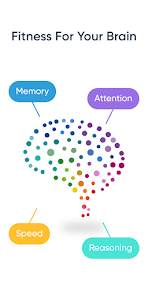
1. Personalized, adaptive training program: NeuroNation builds a customized plan from an initial assessment and continuously adapts exercise difficulty and content to your performance, targeting specific cognitive domains (memory, attention, reasoning). This keeps challenges appropriately progressive, maximizes practice efficiency, and reduces frustration or boredom.
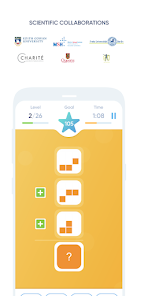
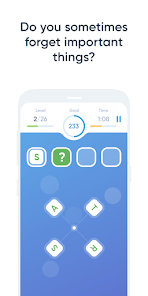
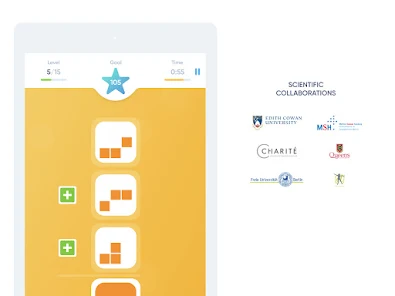
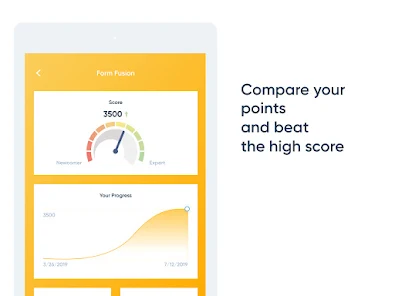
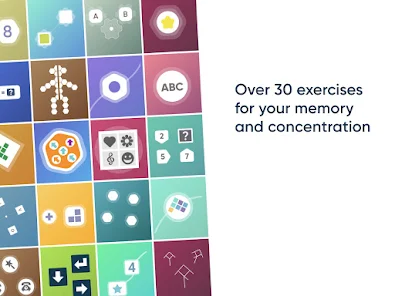
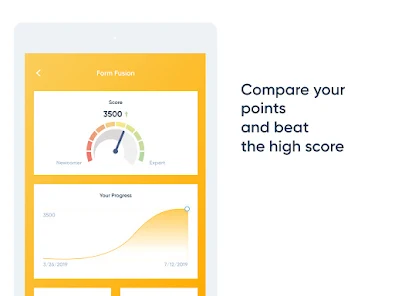
2. Science-informed exercises and performance tracking: NeuroNation offers tasks based on cognitive research that train memory, attention, and executive functions. Detailed performance metrics and visual progress reports let users monitor changes, identify weaknesses, set goals, and make data-driven adjustments to their regimen for clearer, measurable improvement in specific skills.
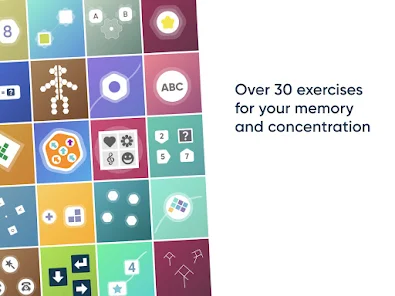
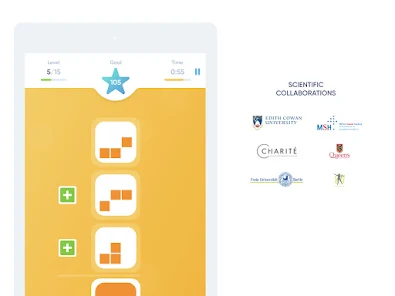
3. Engaging, user-friendly experience: NeuroNation uses gamification, varied exercise formats, short focused sessions, and immediate feedback to sustain motivation and habit formation. The clean interface, progress badges and reminders make regular practice easy to maintain, increasing consistency and enjoyment while reducing the time burden of cognitive training.
Con
1. Subscription and cost barrier: NeuroNation places most advanced exercises behind a recurring subscription, requiring monthly or annual payments for full access. The free tier is limited to basic tasks, so sustained use can become costly compared with free apps or one-time purchases, discouraging long-term engagement for budget-conscious users.
2. Limited evidence of broad cognitive benefits: Like many brain-training apps, NeuroNation improves performance on trained tasks, but evidence for transfer to everyday cognitive abilities (e.g., general memory, reasoning, work performance) is mixed. Clinical or academic validation is limited, so claimed real-world improvements should be interpreted cautiously.
3. Repetitive gameplay and limited variety: Some users find exercises become repetitive over time, reducing motivation and long-term adherence. Personalization and progression can feel shallow, with limited novelty and social features. Without variety or clear, tangible goals, daily practice may decline, undermining potential cognitive gains from consistent training.


