Uber Eats Orders
- 1.18K
- 4.2
- Installs
- 980.00M
- Version
- Varies with device

Screenshots







Pro
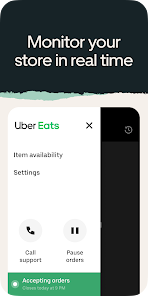
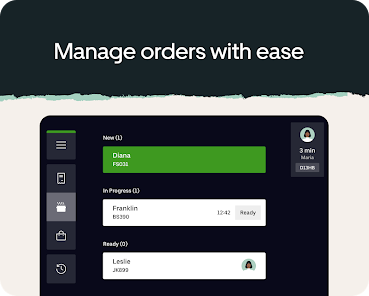
1. Real-time order management: Instant notifications and order queuing let restaurants receive, confirm and prioritize orders quickly. Integrated prep timers, auto-routing to kitchen stations, and synchronization with POS reduce mistakes and wait times, improving throughput and enabling staff to handle higher order volumes efficiently without additional manual processes.
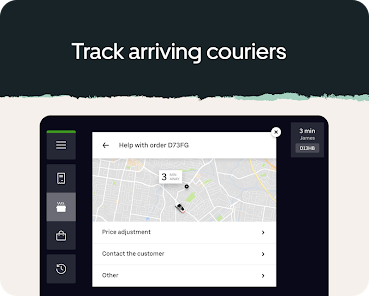
2. Customer communication and live tracking: Built-in messaging, direct calling, and real-time GPS delivery tracking provide transparency and faster issue resolution. Automated ETA updates and status changes keep customers informed, lower cancellations and support requests, and let restaurants proactively manage delays or special instructions to improve customer satisfaction and repeat business.
3. Integrated payments and analytics: Consolidated payouts, secure payment processing, and easy reconciliation simplify finances. Built-in sales reports, menu performance metrics, and promotion tracking help restaurants identify top items, optimize pricing and staffing, and make data-driven decisions that increase revenue, reduce waste, and streamline accounting for faster, more accurate financial operations.
Con
1) High and unpredictable costs: base menu prices, delivery fees, service fees, small-order surcharges, and surge pricing during peak hours can significantly increase total cost. Promotions may hide long-term expense. The dynamic pricing model makes budgeting difficult and can render delivery uneconomical compared with dining or picking up.
2) Inconsistent delivery quality and timing: orders may arrive late, cold, or incomplete due to traffic, driver route optimization, or handoff errors. Real-time tracking and ETA estimates are sometimes inaccurate, making planning unreliable. Restaurant packing standards and driver handling vary, causing inconsistent food quality and customer experience.
3) Limited customer support and dispute resolution: in-app support is often automated and slow to resolve refunds, missing items, or incorrect charges. Escalations to human agents can be time-consuming with inconsistent outcomes. Poor communication and lack of transparent escalation paths frustrate users seeking prompt, fair resolutions for service failures.


